A hunting stock performs three jobs before recoil ever enters the equation. It carries the rifle’s weight, positions the shooter’s body, and influences how consistently the rifle arrives on target.
Those functions cannot be measured from a five-shot group alone. They appear while walking a ridgeline, mounting the rifle from a sling, or settling behind an optic for the first time. If the stock forces the shooter to adjust grip, shoulder position, or head alignment before the trigger is pressed, it has already introduced shooter-position variables before barrel, ammunition, or optic performance can be evaluated.
The carry rifle test evaluates those variables before live fire confirms them. The carry rifle test consists of six field checks: balance, natural mount, grip geometry, fore-end control, sling carry, and material feel. Together, they reveal how a hunting stock fits, carries, and handles before live fire begins.

Balance Shapes Carry Fatigue More Than Weight Alone
Hunters often compare rifles by total weight, but balance strongly influences how heavy a rifle feels over an entire day. Support the unloaded rifle with one hand at its natural carry point, usually near the front action screw or magazine well. A well-balanced hunting rifle should feel reasonably neutral without pulling sharply toward the muzzle or buttstock.
A muzzle-heavy rifle forces the support hand to resist forward leverage. That effort accumulates over hours of walking, especially when climbing, crossing fences, or navigating uneven ground. A rear-heavy rifle can reduce control when quickly transitioning onto target because the muzzle becomes easier to overcorrect. Weight is measured on a scale. Balance is measured over miles.
A Natural Mount Begins With Stock Geometry
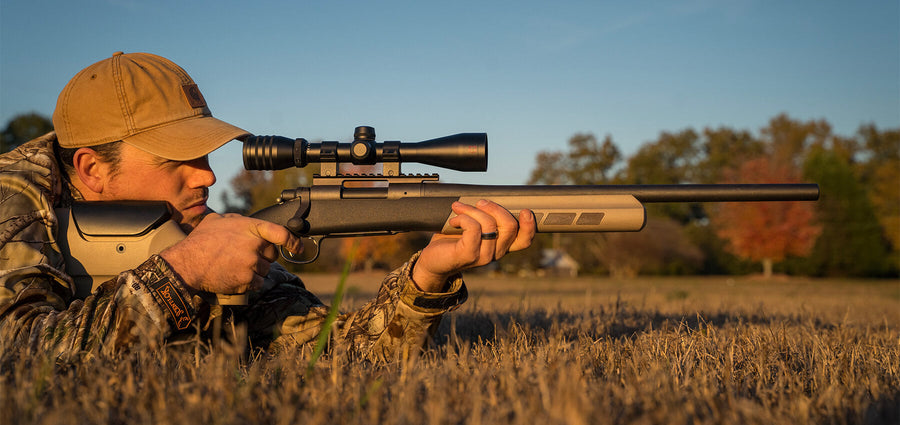
Mount the unloaded rifle to the shoulder with your eyes closed. Open them only after the buttstock is fully seated. The optic should already be centered in your field of view. If you must lower your head, stretch your neck, or roll your cheek across the comb to find the image, the stock is forcing inconsistent head position.
Every repeated adjustment becomes another variable under hunting conditions. Comb height, length of pull, grip angle, and buttpad position work together to establish repeatable eye alignment. The goal is not comfort alone. The goal is to arrive at the same shooting position every time the rifle is mounted. Consistency begins before the safety is disengaged.
Grip Geometry Should Reduce Muscle Tension
Grip shape determines how much muscular effort is required to control the rifle. Wrap the firing hand around the grip while allowing the wrist to remain relaxed. If the wrist bends excessively forward or backward, muscle tension increases before the shot. Tension spreads through the forearm into the trigger finger, making consistent trigger control more difficult.
The trigger finger should contact the trigger naturally without shifting the firing grip. A well-matched hunting stock lets the hand support the rifle instead of fighting it.
This becomes increasingly important during long periods of carrying because fatigue affects fine motor control long before most hunters recognize it.
The Fore-end Controls More Than Stability
The fore-end is the shooter’s primary connection with the front half of the rifle. Carry the rifle using the fore-end, then transition immediately into a supported shooting position. Notice whether the support hand naturally settles into the same location each time.
A fore-end that is too narrow may concentrate pressure into the hand during extended carries. One that is excessively wide may reduce control when shooting from improvised field positions such as backpacks, tree limbs, or shooting sticks.
The best hunting stocks provide enough surface area for control without becoming bulky. Good fore-end geometry supports consistency because the support hand can return to the same position throughout the hunt.
Repeatable hand placement helps the shooter manage recoil from a more consistent position.
Evaluate the Sling as Part of the Stock
Many rifles spend far more time on a sling than on a bipod. Attach the sling and carry the unloaded rifle for several minutes. Transition repeatedly between shoulder carry, low ready, and shooting position. Poor sling attachment points can allow the rifle to roll outward, strike the leg while walking, or twist as it hangs.
Those movements increase fatigue and slow the mount because the rifle must first be repositioned before it can be shouldered. A well-designed hunting stock keeps the rifle stable against the body while allowing an uninterrupted transition into the shoulder. Field handling should be evaluated with the sling installed because that is how the rifle will actually be carried.
Material Reveals Its Value Long Before the First Shot
Material evaluation is not only about appearance. The hunter should look at how the grip, fore-end, comb, sling points, and stock transitions feel after repeated handling.
Inspect how the stock feels after carrying the rifle for several minutes. The surface should provide secure contact without creating pressure points or becoming uncomfortable during extended handling.
Examine the fit around the action inlet, sling attachment points, and transitions between wood and metal. Consistent machining and clean material transitions reveal as much about a hunting stock as its appearance.
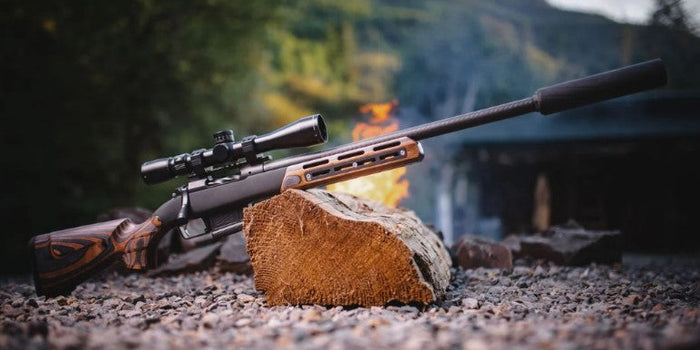
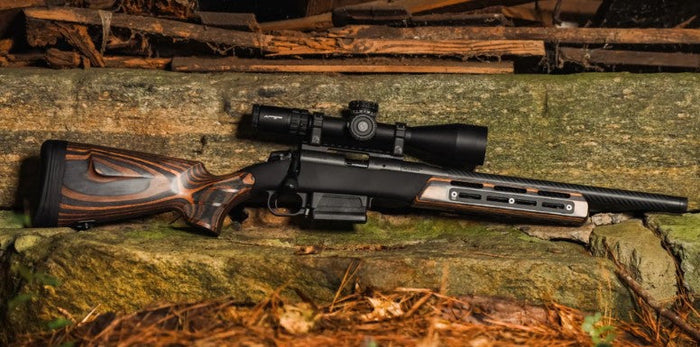
At WOOX, that attention to material selection has guided four generations of the Minelli family since Francesco Minelli opened his workshop in Bergamo in 1937. On WOOX hunting stocks such as Elegante, hand-selected American Claro walnut forms the shooter-facing surfaces, while a precision-machined aerospace-grade aluminum mini-chassis supports action fitment beneath the stock.
On chassis-based WOOX products, walnut and aluminum may play different roles depending on the platform. The selected product page should always guide the construction details.
A hunting stock should reduce variables before the first shot is fired. Material selection becomes part of that evaluation because it influences how the rifle feels, mounts, and handles through repeated field use.
Judge the Stock Before You Judge the Rifle
The first shot confirms how a rifle performs. The carry rifle test reveals how the rifle will live in the field. Balance reveals carry fatigue. Mounting reveals consistency. Grip geometry reveals control. Fore-end shape reveals support. Sling placement reveals mobility. Material feel shows how the stock responds to repeated handling, field carry, and changing conditions. Those evaluations require observation instead of ammunition.
Taken together, these observations form the carry rifle test: a practical evaluation of how a hunting stock supports the shooter before the first shot is fired. A good hunting stock earns confidence before live fire because its balance, grip, fore-end, sling carry, and material transitions already show how the rifle will live in the field.
FAQs
How do you know if a hunting stock fits properly?
A properly fitted hunting stock allows the rifle to mount naturally without forcing adjustments to head position, shoulder placement, or firing grip. When the rifle reaches the shoulder, the optic should already align with the shooter’s eye, reducing unnecessary movement before the shot.
Why is rifle balance more important than overall weight?
Overall weight affects how heavy a rifle is on a scale, while balance determines how it feels throughout a day in the field. A well-balanced hunting rifle can reduce fatigue during long walks and provide better control when transitioning quickly onto target.
How can you test a hunting stock before shooting?
Hunters can evaluate a stock by carrying the unloaded rifle, mounting it repeatedly, checking grip comfort, assessing fore-end control, testing sling carry, and inspecting material fit and machining. These observations reveal how the rifle will handle before accuracy testing begins.
Does stock geometry affect shooting accuracy?
Stock geometry does not directly improve mechanical accuracy, but it influences how consistently the shooter mounts and controls the rifle. Repeatable head position, grip, and shoulder placement can reduce shooter-position variables before live fire results are evaluated.
What should you look for in a hunting rifle stock?
A hunting stock should provide balanced handling, a natural mount, defined grip geometry, useful fore-end control, stable sling carry, and clean material transitions. Together, these characteristics show how the rifle will carry, mount, and settle before live fire begins.