Most deer rifle setups change more in the final weeks before season than hunters realize. Larger optics, added weight, and colder-weather clothing can alter rifle fit enough to make a summer setup feel unfamiliar when the shot finally matters.
Before deer season, hunting rifle stock selection affects more than appearance. Whether built from American Walnut or modern synthetic materials, the stock influences rifle fit, optic alignment, carry balance, and how consistently the rifle mounts under field conditions.
The relevant measure is repeatability: whether the rifle mounts consistently, aligns naturally behind the optic, and settles into position when an opportunity appears under hunting conditions.
Before deer season, stock selection largely comes down to rifle fit, optic alignment, carry balance, stock geometry, exact rifle compatibility, and intended hunting use.
Start With How the Rifle Is Actually Used
Most hunters begin with category comparisons: lightweight versus heavy, traditional versus modern, walnut versus synthetic. Those comparisons matter less than how the rifle is actually carried and shot during deer season.
A rifle carried through timber for hours rewards different stock geometry than one used primarily from a seated blind or supported rail, where supported shooting and repeatable optic alignment matter more than carry fatigue.
Hunters covering distance tend to value neutral carry balance, faster shoulder mount, and reduced fatigue during long walks.
Hunters shooting more frequently from blinds or supported positions tend to prioritize repeatable cheek weld, consistent optic alignment, and stable seated positioning.
Confirm Rifle Fit Before Opening Day
Stock fit problems rarely appear during casual range sessions. They usually emerge once repeated standing shots, seated blind positions, and layered clothing change rifle mount.
Length of pull becomes more important before deer season because layered clothing shifts shoulder position and changes how consistently the rifle settles into the shoulder pocket.
A stock that feels correct during summer range sessions can feel unexpectedly long once late-season clothing changes shoulder position. Excess length can slow shoulder mount and change head position behind the optic.
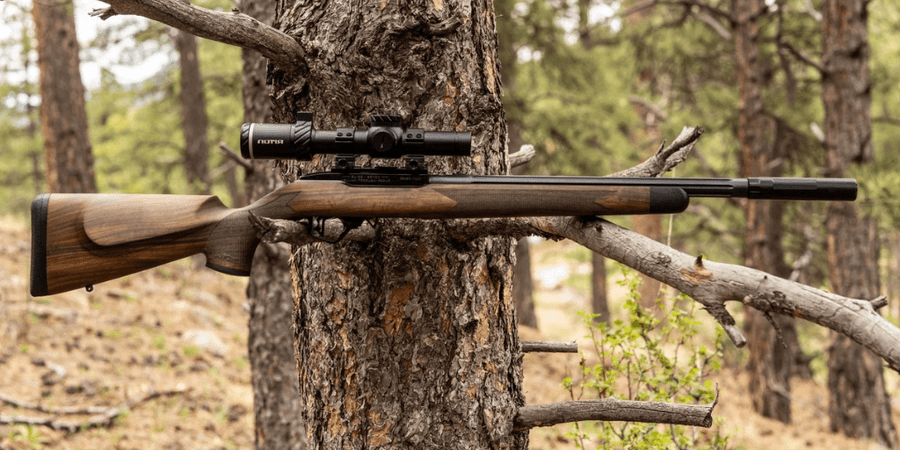
Many deer rifles now carry 40–50mm objective optics. Depending on the scope, rail or base, barrel contour, and ring selection, that added height can change head position enough to alter cheek weld.
When comb height no longer aligns with optic height, hunters often compensate without realizing it:
- Lifting the head off the stock
- Pressing inconsistently into the cheekpiece
- Searching for sight picture after mounting the rifle
A rifle that mounts naturally, with the eye arriving immediately behind the optic, typically produces more repeatable shooting than one requiring adjustment every time it is shouldered.
A common preseason mistake appears after an optic upgrade. Moving from a low-mounted hunting scope to a larger objective lens in medium or high rings can change head position enough to create inconsistency, even when the rifle’s zero remains unchanged.
Match Stock Geometry to Your Hunting Style
Different hunting styles place different demands on a rifle stock. The right choice depends less on trends and more on how the rifle is actually carried and shot throughout the season.
Hunters covering long distances on foot often prioritize lighter overall weight, neutral balance, and stock geometry that allows a fast, natural shoulder mount. A rifle that carries comfortably for several hours may contribute more to field performance than one optimized solely for stability.
Hunters who spend most of their time in blinds, elevated stands, or supported shooting positions often place greater value on repeatable cheek weld, stable optic alignment, and stock geometry that supports consistent positioning behind the rifle.
Optic selection should also influence stock choice. Larger objective scopes and higher mounting heights frequently benefit from stock designs that maintain consistent eye alignment without requiring the shooter to lift or reposition the head.
Evaluate the Rifle as a Complete Hunting System
A hunting rifle stock, whether American Walnut or synthetic, should never be evaluated on a bare rifle.
By opening day, most rifles carry additional weight and complexity:
- Optics
- Slings
- Ammunition or loaded magazines
- Suppressors where legal
- Bipods or tripod interfaces
This matters during deer season because the rifle spends far more time being carried than fired.
A rifle that balances comfortably during a short bench session may become noticeably front-heavy after several hours of movement. The first signal is often fatigue: slower mounting, unstable unsupported hold, and increased effort to keep the rifle steady.
The relevant measure is whether the rifle remains neutral enough to carry comfortably and mount predictably after several hours in the field.
Think Beyond Range Conditions
Preseason sight-in sessions often happen under conditions that look little like opening morning.
Warm weather becomes freezing temperatures. Controlled benches become awkward blind windows. Clean shooting positions become uneven terrain and improvised rests.
Rigid stock interfaces and stable bedding systems help reduce movement at the rifle-to-stock interface, but they do not replace proper rifle fit, optic alignment, and field-position practice.
Material discussions matter less than field consistency. Whether the stock is American Walnut or synthetic, the relevant question is whether it maintains consistent fit, optic alignment, bedding stability, and handling as hunting conditions change.
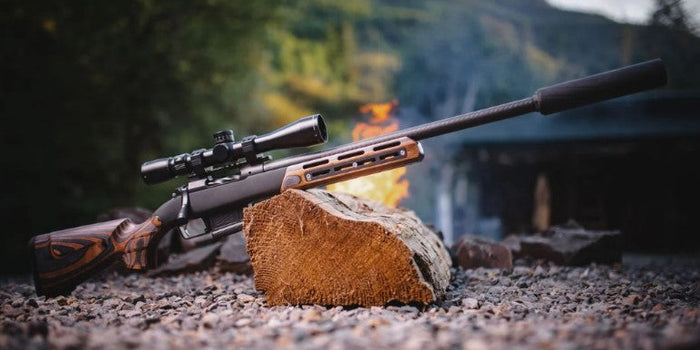
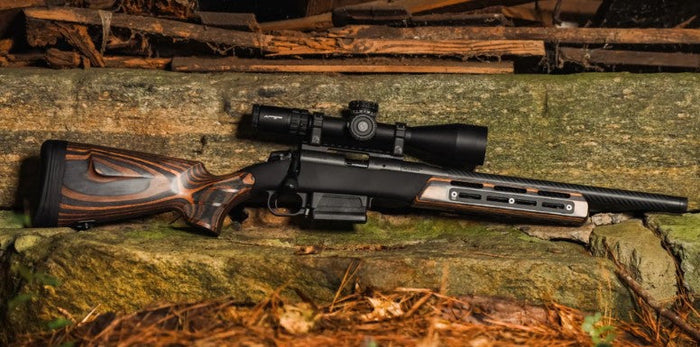
Within the WOOX Elegante hunting lineup, American Claro Walnut is paired with a precision-machined aerospace-grade aluminum mini-chassis. The design combines traditional stock material with a rigid internal support structure intended to maintain a consistent rifle-to-stock interface as hunting conditions change.
Recoil Matters Because Practice Volume Matters
For many hunters, preseason practice sessions become shorter because rifle fit becomes uncomfortable before recoil becomes unmanageable. Stock geometry often becomes the limiting factor first.
Common deer cartridges such as .308 Winchester and .30-06 Springfield are generally manageable for many hunters when rifle fit remains consistent. Problems appear when recoil path, optic height, and shoulder position stop working together, reducing shooting comfort and consistency during repeated practice sessions.
Poor geometry often shows up as excessive muzzle movement, inconsistent shoulder pressure, and cheek discomfort that gradually shortens practice sessions long before caliber becomes the limiting factor.
Where Stock Geometry Becomes the Decision
Hunters prioritizing quicker handling and reduced carry fatigue often benefit from different stock geometry than those building rifles around larger optics and supported shooting positions.
Within the WOOX Elegante lineup, that distinction appears between the Elegante Sporter and Elegante Hybrid configurations.
Many hunters may find the Elegante Sporter better suited to rifles carried longer distances and quicker handling in unsupported field positions. The Elegante Hybrid may be a better fit for rifles configured with larger optics and used more frequently from supported shooting positions.
The distinction matters less than matching stock geometry to the way the rifle is actually carried and shot. Before ordering, hunters should also confirm the exact rifle model, action, generation, handedness, barrel contour, magazine system, and current WOOX product-page compatibility.
Leave Time to Reconfirm the Rifle
A stock installed two weeks before opening day is not finished when the screws are tightened.
Changing a stock may alter:
- Natural point of aim
- Rifle balance
- Optic alignment
- Sling position
- Felt recoil behavior
- Point of impact
Standing shots, seated blinds, shooting sticks, hunting clothing, and fast shoulder mounts are conditions worth validating before season starts.
By opening morning, rifle mount, optic alignment, sling setup, and recoil behavior should already feel familiar because the rifle has already been tested under hunting conditions, not just range conditions.
FAQs
What should I look for in a hunting rifle stock before deer season?
Focus on rifle fit, length of pull, optic alignment, cheek weld, carry balance, exact rifle compatibility, and how the rifle mounts while wearing hunting clothing. A stock should allow consistent positioning under realistic field conditions.
Does stock fit affect hunting accuracy?
Stock fit does not change the rifle's mechanical accuracy, but it can affect shooting consistency. A stock that allows repeatable mounting, optic alignment, and shoulder placement can help hunters shoot more consistently.
How does optic height affect rifle stock fit?
Higher-mounted optics often change head position and cheek weld. If the comb height no longer aligns naturally with the optic, hunters may struggle to achieve a consistent sight picture when mounting the rifle.
Should I test a new rifle stock before hunting season?
Yes. Hunters should verify rifle fit, balance, optic alignment, sling setup, recoil behavior, and point of impact before opening day. Testing from realistic hunting positions is often more valuable than shooting only from a bench.
Is a walnut rifle stock good for deer hunting?
American Walnut remains a respected hunting stock material because it offers strength, field feel, serviceability, and individual grain character. Modern hunting stocks may also combine American Walnut with aluminum chassis systems to support bedding stability and consistent rifle-to-stock fit.