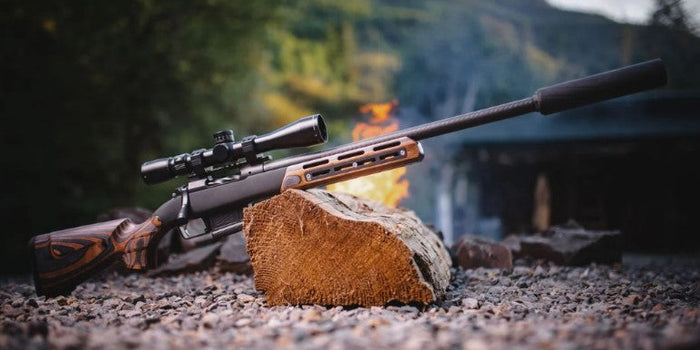
American Walnut is a natural material, not a molded synthetic. It has unique grain, density, figure, and finish characteristics, and its surface changes over time with handling, environmental conditions, and routine maintenance.
That is the reason many shooters choose walnut in the first place. A walnut rifle stock can gather field character over years of use without being neglected. The goal is not to keep the stock looking untouched. The goal is to keep the material protected, stable, and ready for the next season.
Most walnut stock problems do not come from normal field use. They come from poor care habits: too much oil, the wrong solvent, trapped moisture, fast drying, or ignoring small fitment changes around the action and barrel channel.
A walnut stock does not need complicated care. It needs the right care at the right time.
Mistake #1: Over-Oiling the Stock
Over-oiling is one of the most common walnut stock care mistakes.
Many owners assume that if a little oil protects the wood, more oil must protect it better. Walnut does not work that way. Excess oil can leave the surface tacky, attract dust and grit, darken the finish unevenly, and collect around checkering, sling hardware, recoil pads, action inletting, or barrel-channel edges.
The purpose of oil or finish maintenance is controlled protection. It is not saturation.
A walnut stock should not feel wet after care. If oil remains on the surface after application, it should usually be wiped away according to the stock or finish manufacturer’s instructions.
A good rule: apply less than you think you need, work it evenly, then remove the excess.
Oil should never be poured into the inletting, action area, screw holes, magazine inlet, or around bedding surfaces. Those areas need inspection, not flooding.
Mistake #2: Using Harsh Solvents on the Stock Finish
Solvents used for bore cleaning, carbon removal, copper removal, or metal degreasing are not automatically safe for walnut stock finishes.
Harsh solvents can dull, cloud, soften, strip, or stain a stock finish depending on the product and the finish type. Even when the walnut itself is not damaged, the finish can be affected if solvent is allowed to run, pool, or sit against the surface.
This often happens during routine rifle cleaning. A bore solvent touches a patch, the patch touches the stock, or solvent runs from the action area down into the stock line.
That is avoidable.
Before cleaning the barrel or action, protect the stock from solvent contact. Wipe spills immediately. Do not let aggressive cleaners sit on American Walnut, checkering, grip panels, or exposed edges near the receiver.
Metal cleaners belong on metal. Stock care products belong on the stock.
Mistake #3: Storing the Rifle in a Damp Case
A rifle case is for transportation. It is not always the right place for long-term storage.
Soft cases, foam-lined cases, and enclosed travel cases can trap moisture against the rifle after rain, snow, humidity, or a cold-to-warm temperature change. If the rifle goes into the case damp and stays there, the case can hold moisture against the stock, metal, and hardware.
That trapped moisture can affect the finish, encourage corrosion on metal parts, and create swelling or finish changes around exposed edges.
After field use, remove the rifle from the case. Wipe down the stock and metal surfaces. Let the rifle reach room temperature in a dry, stable environment before long-term storage.
The stock should be dry before it is stored. The case should be dry too. American Walnut performs best when stored in a stable environment. Extreme dryness, excessive humidity, and frequent environmental swings place more stress on the material than consistently maintained indoor conditions. As a general guideline, store walnut rifle stocks in conditions similar to those that are comfortable for people, approximately 60–75°F (15–24°C) with 35–55% relative humidity. More important than reaching an exact temperature or humidity level is avoiding repeated or significant fluctuations over time.
Mistake #4: Drying Walnut Too Fast
Wet walnut should dry slowly.
Direct heat can create more problems than the moisture itself. Do not place a walnut-stocked rifle next to a heater, wood stove, vehicle vent, dehumidifier blast, or direct sunlight to force-dry it.
Fast drying can stress the finish and may contribute to surface changes, raised grain, or movement around exposed areas.
After wet field use, wipe the stock with a clean, dry cloth. Open the case. Let the rifle dry at room temperature. Recheck it later, especially around the receiver, recoil pad, sling hardware, and barrel channel.
Dry walnut stocks slowly. That habit preserves the material better than trying to remove moisture with heat.
Mistake #5: Ignoring Condensation After Cold Weather
Condensation is easy to miss.
A rifle brought from freezing temperatures into a warm room may develop moisture on metal surfaces, around the action, near screws, under the barrel, and along stock interfaces. That moisture can appear after the rifle has already been wiped once.
This matters because condensation can move into small spaces that are easy to overlook.
After a cold-weather hunt or range session, let the rifle warm gradually. Wipe visible moisture from the metal and stock. Then recheck after the rifle reaches room temperature.
Pay attention to the action area, sling hardware, magazine area, barrel channel, and any place where metal and walnut meet.
The second inspection often matters more than the first wipe-down.
Mistake #6: Treating Patina Like Damage
Walnut changes with use.
Handling marks, small surface changes, and finish character are not automatically problems. A rifle carried through seasons will not look like a rifle kept in a safe. That is part of the material.
The mistake is confusing honest patina with neglect.
Patina develops through use and care. Neglect comes from trapped moisture, harsh chemicals, loose hardware, ignored finish damage, and poor storage.
A walnut stock does not need to be polished into looking new after every trip. It needs to be inspected, wiped clean, kept dry, and maintained when the finish shows signs that it needs attention.
The difference matters. One preserves the rifle’s story. The other erases or damages the material.
Mistake #7: Ignoring Loose Hardware and Fitment Changes
Stock care is not only about the surface.
A walnut rifle stock should also be checked mechanically. Loose sling studs, loose action screws, shifting hardware, cracked finish around the recoil area, or changes near the barrel channel can affect how the rifle feels and supports the action.
After heavy field use, wet conditions, rough transportation, or seasonal storage, inspect:
- sling studs or QD cups
- recoil pad screws
- action screw area
- bottom metal or magazine inlet
- barrel-channel clearance
- finish condition near inletting edges
- visible cracks, swelling, or raised grain
- changes in action fit
If something looks different, do not force parts into place and do not remove material casually. Verify the issue before making adjustments.
A walnut stock is a structural component, not only a finished surface.
Mistake #8: Using the Wrong Cloth or Abrasive Pad
A dirty cloth can damage a finish faster than many owners expect.
Grit, sand, carbon, and dried mud trapped in a rag can act like an abrasive. Scrubbing with a rough pad can dull the surface, especially around high-contact areas like the grip, comb, and forend.
Use a clean, soft cloth for wipe-downs. Remove dirt before applying oil or wax. If mud or grit is present, lift it away carefully instead of grinding it into the finish.
Cleaning should remove contamination. It should not cut the surface.
A Better Walnut Stock Care Routine
Good walnut stock care is simple.
After normal use:
- Unload and clear the rifle before any cleaning or inspection.
- Wipe the stock with a clean, dry cloth.
- Remove dust, sweat, moisture, and field debris.
- Keep bore solvents and degreasers away from the stock finish.
- Inspect hardware and stock interfaces.
- Store the rifle in a dry, stable location.

After wet or cold-weather use:
- Remove the rifle from the case.
- Wipe metal and walnut surfaces.
- Let the rifle dry slowly at room temperature.
- Recheck for condensation after the rifle warms.
- Inspect finish changes, loose hardware, barrel-channel clearance, and action fit.
For periodic finish maintenance:
- Use only finish-compatible stock care products.
- Apply lightly.
- Wipe away excess.
- Avoid flooding inletting, screw holes, checkering, or hardware.
- Dispose of oil-soaked cloths according to the product label.
Walnut care is not about constant treatment. It is about timely inspection and controlled maintenance.
When a Walnut Stock Needs More Than Routine Care
Some problems should not be hidden under oil.
Look for swelling, raised grain, finish changes, cracks, loose hardware, or changes in barrel-channel clearance and action fit.
A small surface mark may only need cleaning and finish maintenance. A structural crack, recoil-area movement, or fitment change near the action deserves closer inspection.
If the rifle no longer seats correctly, if the barrel contacts the stock where it did not before, or if hardware will not tighten normally, stop and verify the cause before using the rifle.
The right response is inspection first, adjustment second.
WOOX and Long-Term Walnut Ownership
WOOX builds with American Walnut because the material rewards care. It develops character with handling, but it still needs the owner to respect moisture, solvents, storage, and hardware.
That is the difference between a stock that simply looks good when it is new and one that remains part of the rifle for decades.
Over-oiling, harsh solvents, and poor storage all come from the same misunderstanding: treating walnut as either too fragile or impossible to harm.
It is neither.
American Walnut is a working material. It belongs in the field. It also deserves controlled care after the field.
That care is part of the ownership. It is how the stock keeps its structure, its finish, and the record of the years it has been carried.
FAQs
Can you over-oil a walnut rifle stock?
Yes. Too much oil can leave the surface tacky, attract dust, darken the finish unevenly, and collect around hardware or inletting. Walnut stock care should use light, controlled application with excess wiped away.
What happens if bore solvent gets on a walnut stock?
Some bore solvents, degreasers, and harsh cleaners can dull, cloud, soften, stain, or damage the stock finish. Wipe spills immediately and protect the stock before cleaning the barrel or action.
Should a walnut rifle stock be stored in a gun case?
A case is useful for transport, but damp soft cases or foam-lined cases can trap moisture. After field use, remove the rifle, wipe it down, let it dry, and store it in a stable, dry location.
How should you dry a wet walnut stock?
Dry it slowly at room temperature. Wipe away moisture with a clean cloth and avoid direct heat, heaters, vehicle vents, or sunlight. Recheck the rifle after it reaches room temperature, especially around metal-to-stock interfaces.
Is patina bad for a walnut rifle stock?
No. Patina from handling and field use is part of walnut ownership. Neglect is different. Moisture damage, harsh solvent exposure, cracks, loose hardware, and finish breakdown should be addressed.
How often should you oil a walnut rifle stock?
There is no universal schedule. Oil or finish maintenance should be based on use, finish condition, climate, and manufacturer guidance. Most walnut stocks need inspection more often than they need oil.
What should I check after hunting in rain or snow?
Check the finish, exposed edges, sling hardware, action area, bottom metal or magazine inlet, barrel-channel clearance, and any place where metal and walnut meet. Also check again after the rifle warms to room temperature because condensation can appear later.