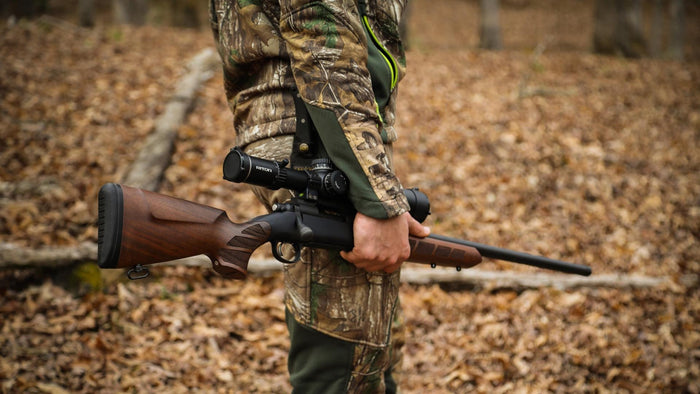
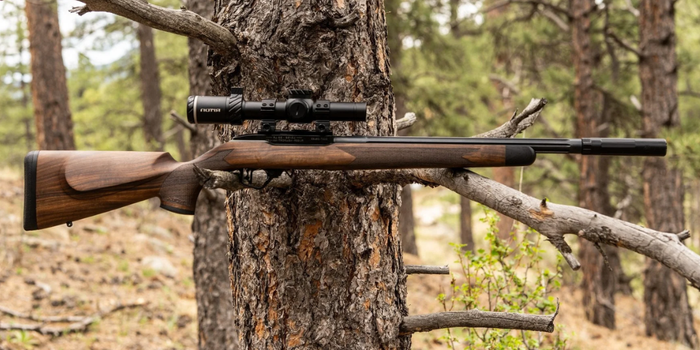
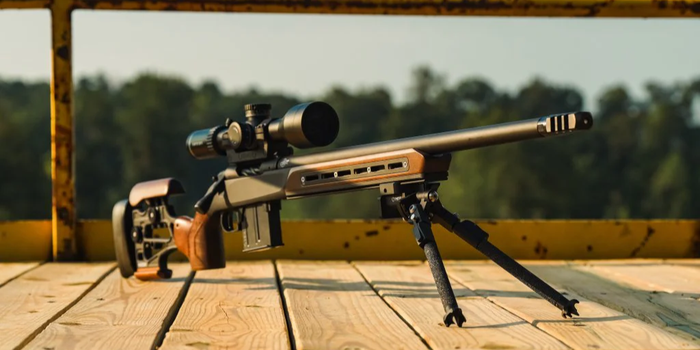
Choosing the correct recoil pad thickness helps match length of pull and allows the rifle to mount more naturally. A recoil pad works best when its shape matches the stock’s butt profile and sits flat across the heel and toe. Thickness, material, and screw spacing matter, but the first check is dimensional fit.
This guide covers pad thickness, stock measurement, and template matching for rifles, shotguns, and AR-style platforms.
Length of pull, often shortened to LOP, is the distance from the trigger face to the rear surface of the recoil pad or buttstock. It determines how far the stock reaches into the shooter’s shoulder pocket.
LOP matters because a recoil pad does more than soften shoulder impact. It also changes how the rifle or shotgun mounts. A thicker pad increases length of pull. A thinner pad preserves or shortens it. If the LOP becomes too long, the shooter may have to stretch for the trigger or shoulder the firearm inconsistently. If it becomes too short, the firearm can feel crowded and harder to control.
Before choosing recoil pad thickness, confirm the current length of pull and decide whether the new pad should preserve it, shorten it, or add to it.
How to Measure Length of Pull
Start with an unloaded firearm pointed in a safe direction. Measure from the center of the trigger face to the rear face of the recoil pad or buttstock. Use a straight tape measure or ruler and follow the stock line as consistently as possible.
To compare old and new recoil pads:
- Measure the current LOP with the existing pad installed.
- Remove the existing pad and measure the stock without the pad.
- Measure the thickness of the old recoil pad.
- Compare that number with the thickness of the new pad.
- Confirm whether the final LOP will still fit the shooter.
Example: if the current pad is 1 inch thick and the replacement pad is 1.5 inches thick, the finished length of pull may increase by about 0.5 inch, depending on pad shape and installation. That small change can affect shoulder fit, trigger reach, and how naturally the firearm mounts.
What Is the Ideal Recoil Pad Thickness?
Most recoil pads fall within a common thickness range:
- 1/2 inch: thinner option that preserves length of pull.
- 3/4 to 1 inch: common all-purpose range for many hunting and field setups.
- 1-1/2 inch: thicker option for larger recoil or added length of pull.
The key is matching pad thickness to length of pull so the rifle mounts naturally and remains comfortable to shoot.
Before Ordering a Recoil Pad, Confirm the Actual Fit Dimensions
Many recoil-pad installation problems come from dimensional mismatch rather than pad thickness alone. Before ordering, confirm the stock dimensions against the manufacturer’s current template for the exact pad you plan to use.
Check:
- Heel-to-toe length
- Side-to-side width
- Screw spacing
- Toe angle
- Stock curvature
- Grind allowance
- Current length of pull
- Intended final length of pull
Even small differences in screw spacing, toe line, stock curve, or pad profile can affect final fit and alignment. On walnut stocks especially, a properly matched recoil pad helps preserve clean stock lines, stable shoulder contact, and a finished look that belongs on the firearm.
Thickness should come after fit. First confirm that the pad shape matches the stock. Then choose the thickness that gives the shooter the intended length of pull.
WOOX Recoil Pad Options
WOOX offers a professional recoil pad in fixed and fully adjustable versions, including a model with vertical and horizontal movement. The adjustable pad is designed for fit, balance, and control, while the fixed model keeps the profile simple and streamlined.
For WOOX walnut furniture, that supports a cleaner butt fit without giving up the character of the wood.
Recommended Thickness by Firearm Type
Shotgun pads are often chosen to soften repeated shoulder impact during field or range use. The thickness you choose should be based on your platform, length of pull, shoulder fit, and stock profile.
Shotgun Recommendations (USA)
Shotgun recoil pads are often chosen to reduce the feeling of repeated recoil during field or range use. For heavier 12-gauge loads, many shooters choose mid-range to thicker pads depending on length of pull and fit.
Soft recoil-pad materials can help reduce felt impact during extended shooting sessions, especially on long days in the field. On tactical or defensive shotguns, avoid adding more pad thickness than needed, since it can change length of pull and handling.
For pump and field shotguns, a stable fit matters as much as thickness, since the pad should support consistent shoulder placement through repeated mounting.
Hunting Rifle Guidelines
For common U.S. hunting-rifle templates, Remington 700 ADL/BDL and Savage 10/110 patterns are frequent references, but dimensions vary by stock type and pad model. Always confirm against the current manufacturer template for the exact pad being installed.
Matching pad shape to the stock template matters as much as thickness, because the wrong profile can shift length of pull and leave the pad sitting off the stock. For walnut stocks, use a test fit and choose a pad style that matches the stock profile and intended length of pull.
Heavier recoil setups may call for a thicker pad, but always stay within the pad maker’s grind limits.
On walnut hunting stocks, a pad that matches the butt profile cleanly helps preserve the stock’s lines while keeping length of pull where the shooter expects it.
AR-15 and Range-Gun Specifications
AR-style platforms vary more in buttplate geometry than in pad thickness, so start by matching the template to the stock or plate before choosing a pad in the 1/4- to 1-inch range. On WOOX walnut AR furniture, the goal is a flat, stable fit that preserves length of pull and avoids rocking at the butt.
Because AR furniture varies by platform and maker, a test fit before final sanding is the safest way to avoid a pad that sits proud or shifts under recoil.
FAQs
How do I know if a recoil pad will fit my stock?
Remove the old pad, measure the stock butt profile, and compare it to the manufacturer’s template before buying. Manufacturer template guides and installation instructions emphasize matching the stock shape before final fitting.
Should I choose a fixed or adjustable recoil pad?
Choose a fixed pad if you want a simple, streamlined setup, and choose an adjustable pad if you need more control over fit. WOOX’s adjustable recoil pad is built for vertical and horizontal movement, with fit, balance, and control as the goal.
Do shotguns and rifles use the same pad thickness?
Not always. Shotguns often need a pad that feels stable through repeated mounting, while hunting rifles usually prioritize length of pull and a pad shape that matches the stock profile cleanly.
Can I use a grind-to-fit recoil pad on wood?
Yes, but it should be shaped carefully and checked often during installation. Fit and alignment matter during the install process, and some templates may require gunsmithing for best results.
Why does length of pull matter?
Length of pull is the distance from the trigger face to the rear of the recoil pad or buttstock. It affects trigger reach, shoulder position, mount consistency, and how naturally the firearm comes into the shoulder. A thicker recoil pad can increase LOP, while a thinner pad can preserve or reduce it. Always check the current and intended LOP before ordering a replacement pad.
What should I check before sanding or grinding?
Check the template, the hole pattern, the toe and heel alignment, and the fit against the stock as you go. Confirm careful alignment before final shaping.
How do I measure length of pull before choosing a recoil pad?
Measure from the trigger face to the rear surface of the current recoil pad or buttstock. Then measure the old pad thickness and compare it with the new pad thickness. This helps you estimate whether the replacement pad will preserve, increase, or reduce the finished length of pull.