


Walnut & Whiskey: Aging Wood and Spirit Side by Side

Wood Comes First
Ask any cooper stacking white-oak staves or a stock shaper sorting claro-walnut blanks, and the answer is nearly identical: the tree did most of the work long before the shop lights came on. In the Ozarks, coopers reject logs that grew in quick, soft soil, hunting instead for timber off north-facing slopes where tight annual rings promise strength and refined flavor compounds. On another continent, WOOX craftsmen study walnut billets for straight grain that will carry recoil cleanly through wrist and butt. Neither trade can salvage wood that grew too fast; the character simply isn’t there.

Seasoning, Not Speed
After selection, the waiting begins. Barrel staves lie outdoors for two to three full years, enduring frost heave, cicada summers, and sideways rain. Moisture bleeds out slowly, sap acids mellow, and internal stress eases. Stock blanks rest on stickers through a full hunting season, then wait again after shaping so the newly exposed grain can find equilibrium. Heat comes next, but it is applied with restraint. A cooper toasts the inside of a cask just enough to caramelize sugars, while a stock maker steams walnut briefly—or simply moves it into a warm room—so finishing oil penetrates deep. The final rest is quiet but critical: whiskey pulses in and out of the oak as temperatures swing, and a hand-rubbed oil finish hardens by slow oxidation, not forced UV lamps. Time completes what tools can only start.

Case Studies in Patience
Daniel Sawyer’s small cooperage near the Missouri line is a lesson in deliberate pacing. He keeps three full years of inventory stacked in open sheds, refusing kiln-dried shortcuts. Distillers pay a premium because Sawyer’s barrels lend honeyed spice without the acrid bite common in rapid-seasoned wood. Across the Atlantic, WOOX stock makers let finished rifles hang for six more weeks before final inspection. They claim the walnut “remembers the warp” if rushed; the extra month means fewer warranty returns and rifles that stay zeroed from August heat to January snow.

Shared Takeaways
Talk to these craftsmen long enough and certain themes repeat. Tight grain matters more than any surface treatment. Heat is a tool for unlocking flavor or accepting finish, not a magic fix for unseasoned wood. Most of all, patience is not a virtue—it is a specification. Skip the months of air-drying, pile on glossy varnish in a single afternoon, and you trade years of service for a short-term shine that cracks with the first hard season.
Living the Lesson
For the rest of us, the advice is straightforward. Buy the best hardwood you can afford and let it rest somewhere dry and ventilated—one month for every inch of thickness is a reasonable guide. Apply finish in multiple thin coats, allowing each to cure fully before the next. Store barrels and stocks where temperature swings are gradual, not violent. Keep a simple log of humidity and heat. If you push the timeline, be ready to redo the work when the wood pushes back.

Closing
Whether you are pouring two fingers of bourbon drawn from a six-year barrel or shouldering a rifle stocked in slow-grown walnut, the quality you feel began with a tree that refused to hurry and craftsmen who honored that pace. Slow growth, slow seasoning, steady hands—that’s the whole recipe, and it never goes out of style.


Keep Reading

Cold-Bore Point of Impact for Hunting Rifles: Why It Matters for Zero
Understand how cold-bore point of impact affects a hunting rifle zero and how to test first-shot consistency across bore, temperature, and field conditions.

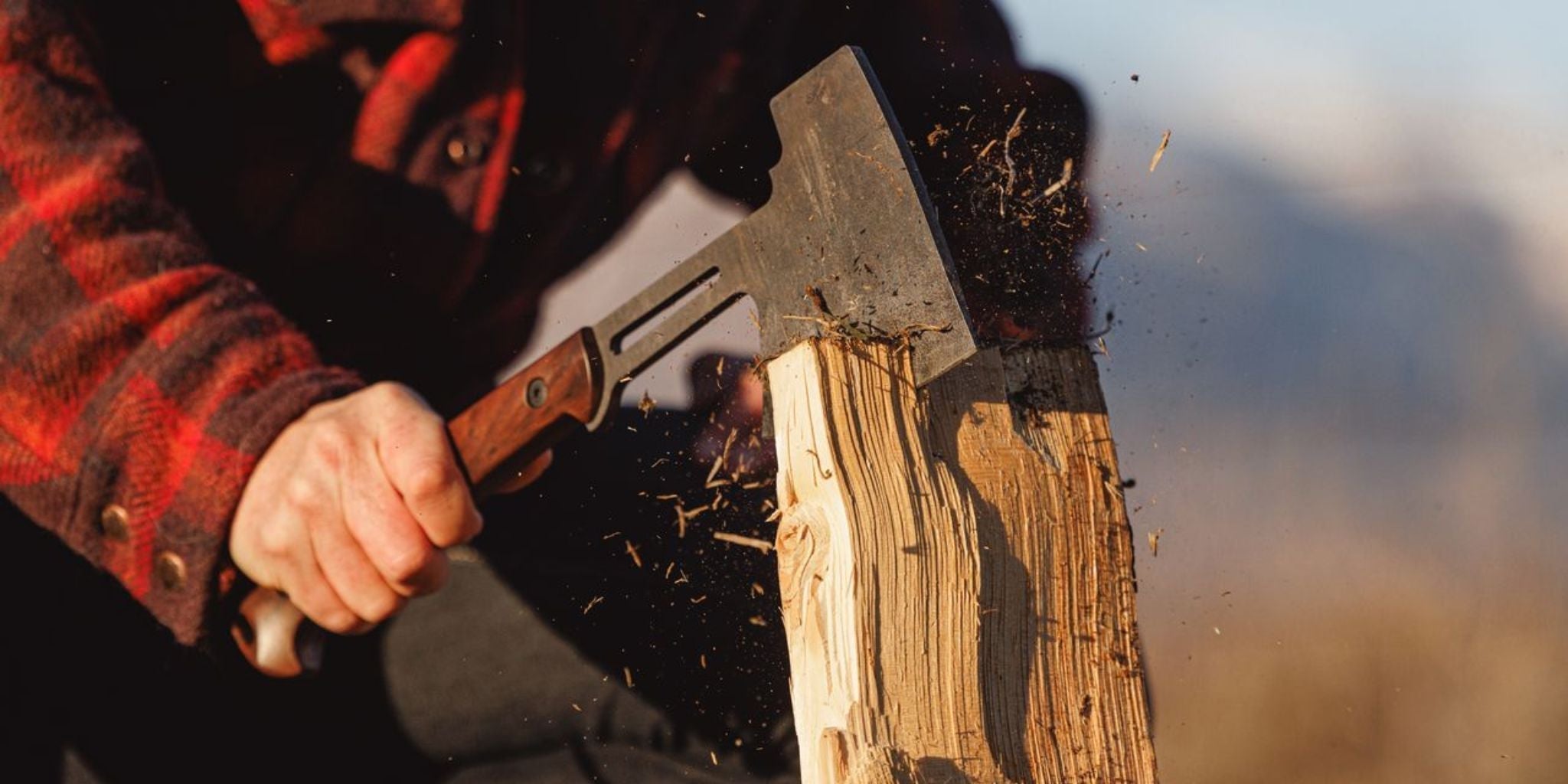
The Hunter’s Field Kit: The Tools That Still Matter Beyond the Rifle
A practical look at the hunting tools that still earn their place in the field—from the rifle and stock to knives, axes, sharpening gear, maintenance, and camp essentials

Why Hunters Still Choose Wood Rifle Stocks When Synthetic Is Easier
Synthetic rifle stocks are easier to maintain. So why do hunters still choose walnut? A practical look at wood, field use, weight, craftsmanship, repairability, and long-term ownership.