




The Evolution of the Modern Hunting Rifle
Table of Contents
The modern hunting rifle is the product of centuries of meticulous innovation, reflecting the evolving needs and technological advancements within the hunting community. As hunting has shifted through the ages from a necessity to a sport, the rifle has morphed from the early muzzleloaders to today's modular, highly precise shooting systems. This transformation embodies the journey from simplicity to sophistication, marking notable milestones that have redefined the hunting landscape.
The Genesis: Early Muzzleloaders

The hunting firearm's journey began with the invention of muzzleloaders around the 14th century. These early firearms, while groundbreaking, were basic in design and functionality. They were muzzle-loaded, had simple ignition systems, and lacked the precision and range of their successors. Despite their limitations, these firearms marked the dawn of a new era in hunting, providing hunters with a deadly impact at a reasonable distance.
Mid-1800s: The Era of Percussion Caps

The mid-1800s saw early rifles becoming more common among hunters, albeit still lacking in effectiveness. However, the innovation of the percussion cap, acting as the first primer, catalyzed rapid advancements in firearm technology. This period saw the emergence of metallic cartridges, setting the stage for the development of repeating rifles. Lever-action rifles became a hallmark of this era, known for their effectiveness in harvesting game.
Winning the West: Lever-Action Versus Bolt-Action

While lever-action rifles were carving a name in the annals of American hunting history, across the Atlantic, the creation of the Mauser rifle was underway. The Mauser platform gained popularity among sportsmen for its ability to fire more accurate, powerful cartridges compared to other firearm designs. The bolt-action mechanism of the Mauser provided a solid foundation for the evolution of modern hunting rifles. The receiver's design allowed for accommodating various cartridge sizes, and the precise threading of the barrel into it significantly enhanced accuracy.
The Modernity Beckons: Transition to Modern Rifle Systems

As time marched on, the traditional wood stocks of yesteryears gave way to composite designs resistant to environmental elements. Stainless steel and carbon fiber replaced blued metal for actions and barrels, heralding the age of modern hunting rifles. The modern rifle's modularity became apparent with the introduction of aluminum chassis, providing complete adjustability to fit a variety of shooters. The modern hunting rifle transformed, offering features like adjustable length of pull, cheek weld height, grip, and more. Furthermore, the buttstock's folding ability reduced the rifle's length, making it a compact companion for hunters.
Today’s Innovation: The Pinnacle of Modularity and Precision

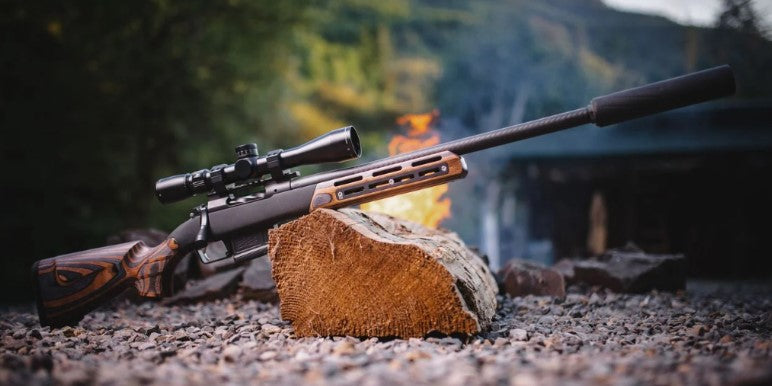
Today’s hunting rifles embody a fusion of tradition and cutting-edge technology. The receiver's one-piece design from top to bottom improves rigidity, enhancing accuracy further. The action design now allows for easy interchange of barrels by the user, and the barrels come threaded, ready for any muzzle device of choice. The modern hunting rifle's evolution from the original muzzleloader reflects a long journey towards achieving unparalleled precision and modularity, making the hunting experience more rewarding and adaptable to individual preferences.

Today’s hunting rifles embody a fusion of tradition and cutting-edge technology. The receiver's one-piece design from top to bottom improves rigidity, enhancing accuracy further. The action design now allows for easy interchange of barrels by the user, and the barrels come threaded, ready for any muzzle device of choice. The modern hunting rifle's evolution from the original muzzleloader reflects a long journey towards achieving unparalleled precision and modularity, making the hunting experience more rewarding and adaptable to individual preferences.
over a century of technological advancements in hunting rifles
| Decade | Technological Advancements |
|---|---|
| 1900 - 1910 | - Introduction of smokeless powder cartridges - Early semi-automatic rifle designs |
| 1910 - 1920 | - Improvement in bolt-action designs - Advancements in rifling technology |
| 1920 - 1930 | - Development of more reliable semi-automatic mechanisms |
| 1930 - 1940 | - Refinement of bolt-action and semi-automatic designs - Introduction of more ergonomic stocks |
| 1940 - 1950 | - Further development of semi-automatic hunting rifles |
| 1950 - 1960 | - Introduction of more advanced optics and scopes |
| 1960 - 1970 | - Development of synthetic stocks - Introduction of more powerful and efficient cartridges |
| 1970 - 1980 | - Further advancements in optics - Improvement in rifle barrels and rifling techniques |
| 1980 - 1990 | - Introduction of stainless steel barrels and actions |
| 1990 - 2000 | - Advancements in ammunition design - Development of computer-aided design (CAD) in firearms manufacturing |
| 2000 - 2010 | - Adoption of modular designs - Introduction of digital optics and smart scopes |
| 2010 - Today | - Implementation of carbon fiber and other lightweight materials - Continued development of smart optics and electronic systems |
SHOP BY purpose
Discover the perfect fit for your needs with our diverse collection of aftermarket stocks, tailored for a range of different purposes.
see all our stocks


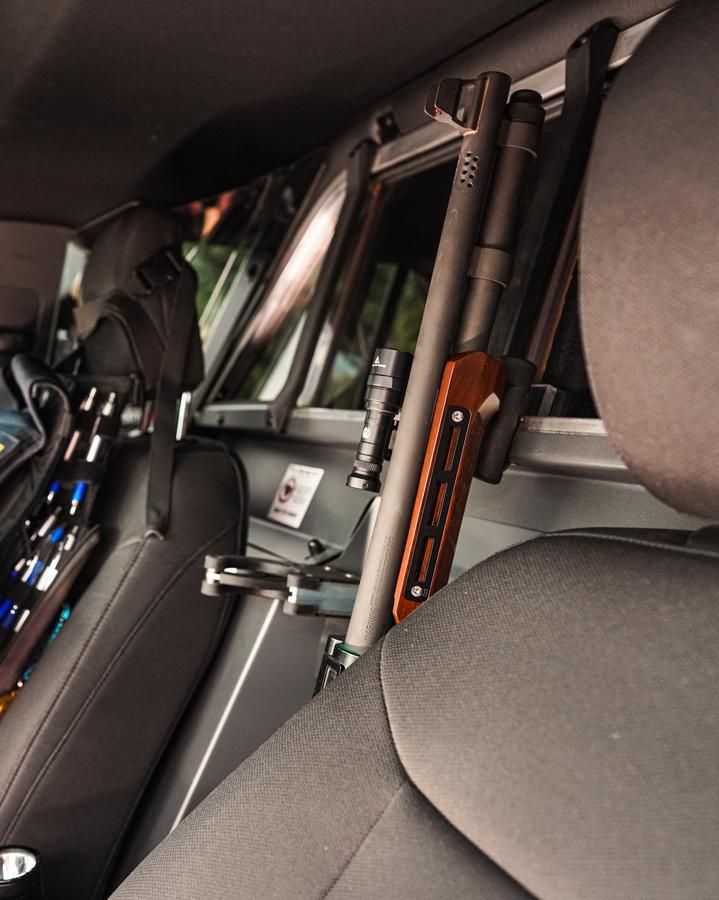

Keep Reading
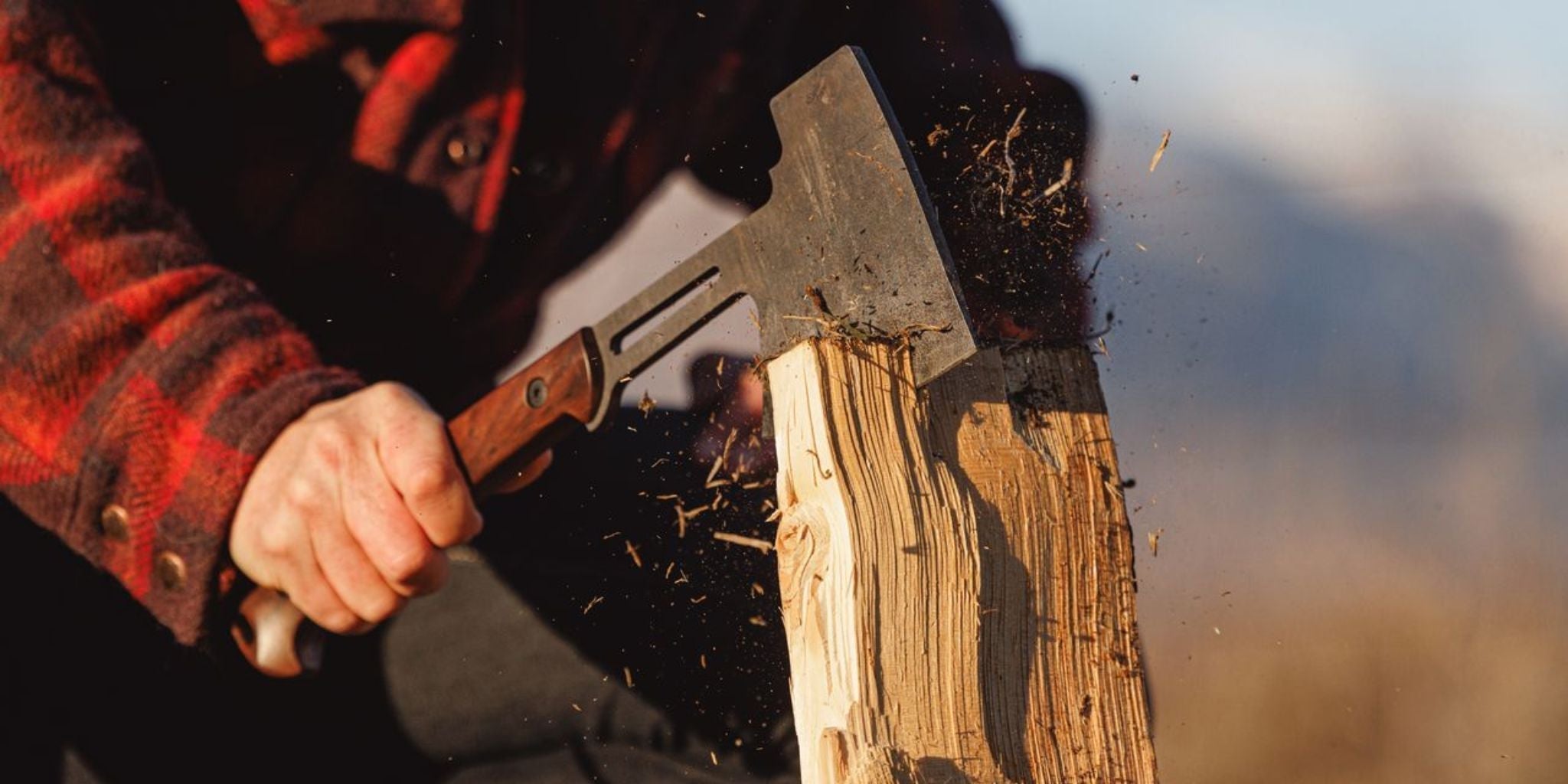
The Hunter’s Field Kit: The Tools That Still Matter Beyond the Rifle
A practical look at the hunting tools that still earn their place in the field—from the rifle and stock to knives, axes, sharpening gear, maintenance, and camp essentials
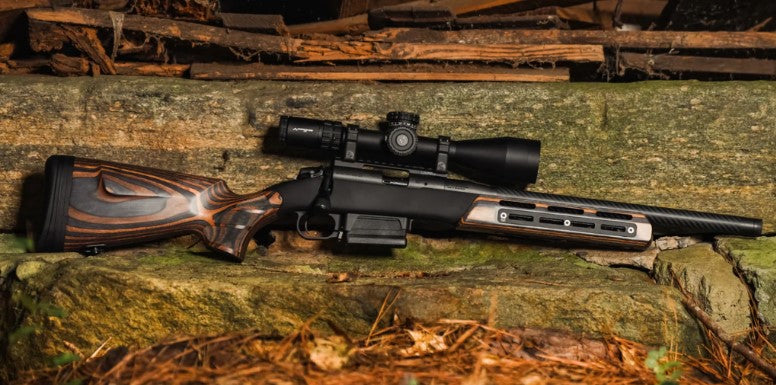
Why Hunters Still Choose Wood Rifle Stocks When Synthetic Is Easier
Synthetic rifle stocks are easier to maintain. So why do hunters still choose walnut? A practical look at wood, field use, weight, craftsmanship, repairability, and long-term ownership.
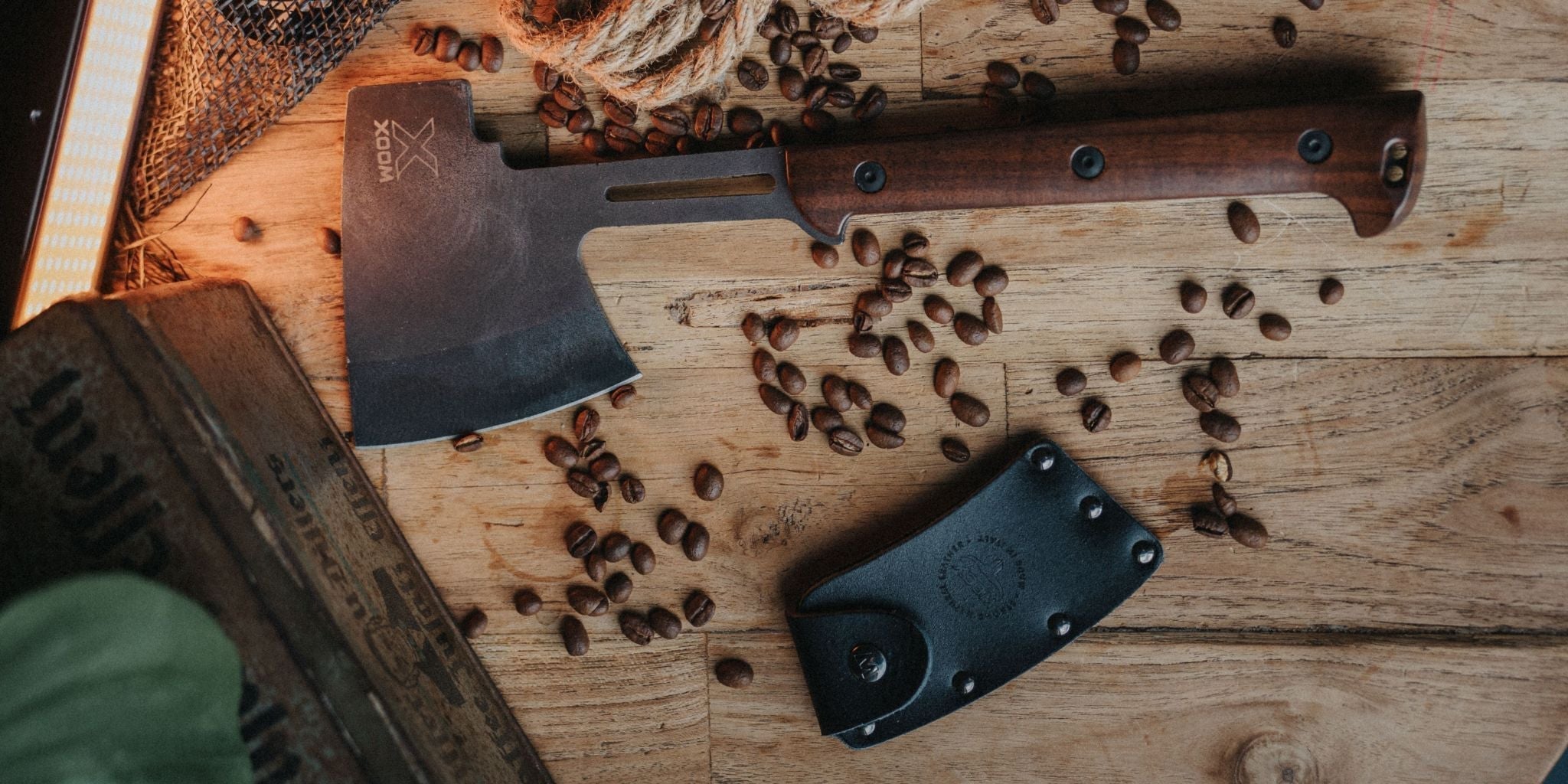
Why Some Hunting Gear Gets Better With Age
Some hunting gear becomes more useful after years in the field. See how familiarity, walnut, steel, maintenance, fit, and a simpler setup shape equipment over time.
The Rifle You Hand Down: What Makes Hunting Gear Worth Keeping?
What makes a hunting rifle worth keeping for decades? A practical look at walnut, fit, craftsmanship, maintenance, field use, and gear built to be handed down.