




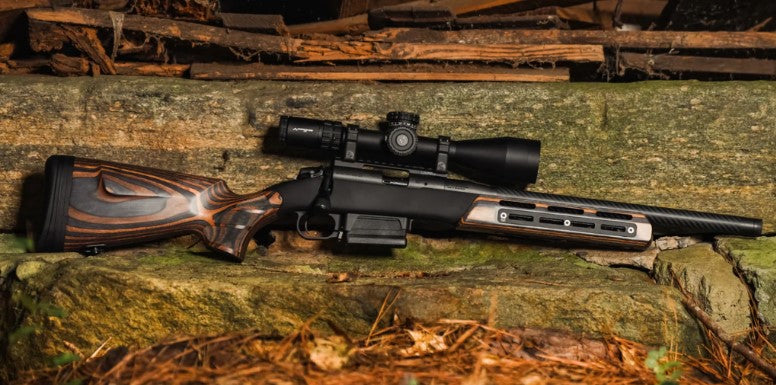
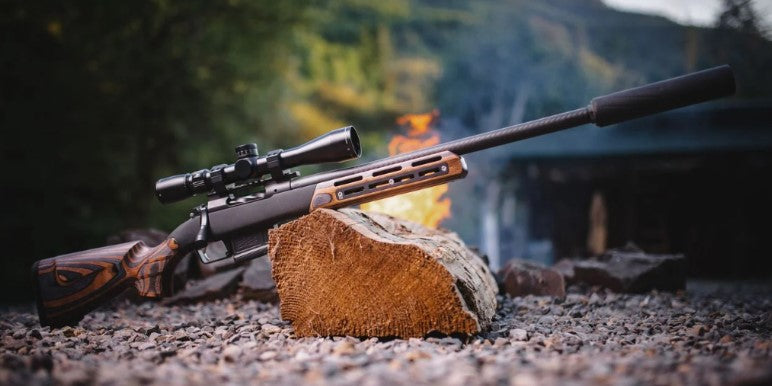
Custom AR15 featuring WOOX Vigilante furniture
The AR-15 Handguard: Enhancing Performance, Comfort, and Customization
Table of Contents
In the realm of firearms, especially among rifles, the AR-15 stands out for its exceptional adaptability and user-friendly design. A critical component contributing to its versatility is the handguard, which serves multiple purposes ranging from user safety to customization. This comprehensive exploration into AR-15 handguards will provide enthusiasts and professionals alike with a deeper understanding of its types, features, and considerations for selection.
Types of AR-15 Handguards: A Comparative Overview

Custom AR15 featuring WOOX Vigilante furniture
AR-15 handguards are broadly classified into two categories: drop-in and free-floating, each with its unique attributes.
1. Drop-In Handguards:
- Ease of Installation: Ideal for beginners, these handguards can be installed and replaced without specialized tools.
- Cost-Effectiveness: Generally more affordable, making them a go-to choice for casual shooters or those on a budget.
- Limitations: Since they are attached to the barrel, they can affect accuracy due to heat and pressure.
2. Free-Floating Handguards:
- Accuracy Improvement: By not making contact with the barrel, they prevent any influence on barrel harmonics, enhancing shooting accuracy.
- Customization Potential: Offer greater scope for attaching various accessories due to their sturdy build.
- Installation Complexity: Require a higher level of technical skill to install, often necessitating professional assistance.
The Multifaceted Functions of Handguards

Custom AR15 featuring WOOX Vigilante furniture
- Heat Insulation: Protecting the shooter’s hands from the intense heat generated during firing is a primary function, especially crucial during rapid fire or prolonged shooting sessions.
- Improved Accuracy and Stability: Particularly with free-floating designs, handguards contribute to a more stable and accurate shooting experience.
- Customization Hub: Serving as a platform for accessories like tactical lights, bipods, and foregrips, handguards significantly enhance the rifle's functionality.
Material Matters: Durability and Design
- Aluminum: Favored for its blend of lightweight and durability, aluminum handguards can withstand high temperatures and rigorous use.
- Polymer: Offering a budget-friendly alternative, polymer handguards are light but less durable compared to metal options.
- Carbon Fiber: For those seeking the pinnacle of strength and lightness, carbon fiber handguards are an excellent albeit more expensive choice.
Ergonomics and Aesthetics: Personalizing Your AR-15

Custom AR15 featuring WOOX Vigilante furniture
- Length and Weight Considerations: The handguard's length should complement the barrel length f or optimal balance and performance. Weight is a crucial factor for maneuverability, especially in tactical or hunting scenarios.
- Aesthetic Customization: With a variety of designs, finishes, and colors, handguards allow shooters to personalize their AR-15 to their taste and style.
Installation Insights: Compatibility and Technicalities
- Materials: Civilian AR-15s may use a wider range of materials, including different grades of aluminum and steel.
- Barrel: The barrels might not be chrome-lined, which is a common feature in military rifles for enhanced durability and corrosion resistance.
- Trigger Group: Often, civilian models come with a single-stage trigger, which is simpler and more suited for general purposes.
Conclusion: A Key Component in the AR-15's Versatility

Custom AR15 featuring WOOX Vigilante furniture
The handguard is more than just a part of the AR-15; it's a pivotal component that impacts the rifle's performance, handling, and aesthetic appeal. Whether for tactical use, sport shooting, or personal enjoyment, selecting the right handguard involves balancing functionality, comfort, and style. By understanding the nuances of different types, materials, and designs of AR-15 handguards, shooters can significantly enhance their experience, making their AR-15 truly their own.

SHOP BY purpose
Discover the perfect fit for your needs with our diverse collection of aftermarket stocks, tailored for a range of different purposes.
see all our stocks




Keep Reading

The Hunter’s Field Kit: The Tools That Still Matter Beyond the Rifle
A practical look at the hunting tools that still earn their place in the field—from the rifle and stock to knives, axes, sharpening gear, maintenance, and camp essentials
Why Hunters Still Choose Wood Rifle Stocks When Synthetic Is Easier
Synthetic rifle stocks are easier to maintain. So why do hunters still choose walnut? A practical look at wood, field use, weight, craftsmanship, repairability, and long-term ownership.

Why Some Hunting Gear Gets Better With Age
Some hunting gear becomes more useful after years in the field. See how familiarity, walnut, steel, maintenance, fit, and a simpler setup shape equipment over time.
The Rifle You Hand Down: What Makes Hunting Gear Worth Keeping?
What makes a hunting rifle worth keeping for decades? A practical look at walnut, fit, craftsmanship, maintenance, field use, and gear built to be handed down.
Customize Your Rifle Stock
Build it around the way you shoot: configure your rear stock, choose the recoil pad that gives you the right fit and comfort, add custom engraving for a personal touch, and select the forend that best matches your rifle setup and shooting style.
BUILD YOUR STOCK