There’s a point every year when hunting season stops feeling distant and starts feeling close. Maybe it’s the first cold morning, or the first trip back to the range. Either way, most hunters fall into the same rhythm: clean the rifle, check zero, look over gear, make sure everything feels ready.
What usually gets less attention is the stock.
That’s easy to overlook, but the stock is the part of the rifle you actually live with. It’s what you carry when the walk gets long, what settles into your shoulder when the shot appears, and what determines whether the rifle feels natural or slightly off when the moment matters.
A lot of hunters spend time chasing better optics, triggers, or loads. All of that matters. But a rifle that doesn’t sit right in your hands can make even good equipment feel awkward in the field.
Why It Matters More Than Most Hunters Think
At the range, almost anything can feel manageable. You have time, a steady rest, and none of the pressure that comes with a real hunt.
The field is different.
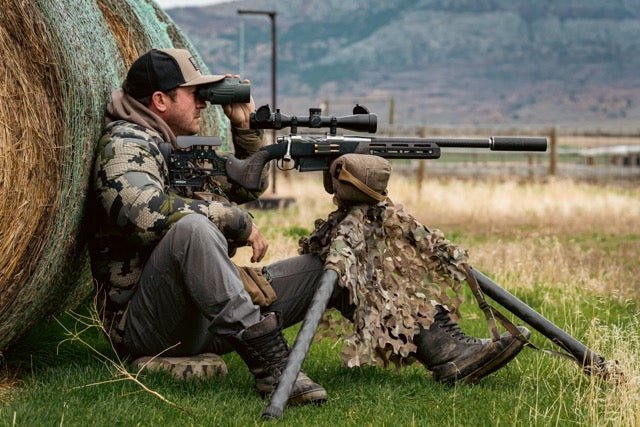
Shots happen from uneven ground, off a pack, against a tree, or from whatever support you can find at the moment. When that happens, the way a rifle handles matters just as much as what kind of group it printed on a calm afternoon.
A good stock helps the rifle come to the shoulder the same way every time. Your eye falls naturally behind the optic. Recoil feels more controlled. The rifle settles instead of fighting you.
That kind of confidence is hard to measure, but every hunter recognizes it when they feel it.

Why Wood Still Has a Place
For a lot of hunters, the ideal rifle still wears wood. Not because it looks good in photographs, but because a well-madewood stock has warmth and character that synthetic stocks rarely match.
Walnut, especially, has always had a place in hunting rifles. It feels traditional for a reason.
Of course, tradition has to deal with weather, rough use, and long seasons. That’s what pushed many hunters toward synthetic stocks in the first place. They offered durability and consistency, especially in hard conditions.
But many of them also felt a little lifeless.
That’s why hybrid stocks make so much sense right now. They bring together the strength of modern materials with the feel and appearance hunters still appreciate in a classic rifle.
Why Hybrid Stocks Are Getting Attention
Hybrid stocks work because they solve an old problem well. With an aluminum chassis inside and wood on the outside, they offer the rigidity and stability of a modern precision platform without losing the warmth and balance of a traditional hunting rifle.
That balance matters.
Hunters today want rifles that can handle real field use, hold up in rough weather, and still feel good to carry. They want performance, but they also want something that feels like a hunting rifle, not just a technical system.
That’s where WOOX stands out. Their designs combine hardwood with a machined aluminum core, giving hunters a rifle stock that feels refined without giving up strength or consistency.

A Rifle Should Feel Right Before It Fires
This is the part that doesn’t show up well on a spec sheet.
A rifle can have all the right features and still feel wrong in use. You notice it when you carry it, when you shoulder it quickly, or when you try to settle behind the scope and keep making small adjustments.
That’s often why hunters upgrade a stock even when the rifle itself shoots well. The action is solid, the barrel is good, the optic is trusted — but the rifle still doesn’t quite feel finished.
A better stock can change that. It can make the rifle feel more balanced, more comfortable, and more natural without changing what made you like the rifle in the first place.

Getting Ready for the Season Means Being Honest
Before the season starts, it’s worth looking at your rifle honestly. Not just whether it shoots, but whether it fits the way you hunt now.
Does it shoulder naturally? Does it still feel right with your current optic? Is it comfortable in field positions, not just off the bench?
Those questions matter more than people admit.
By the time opening day arrives, you don’t want to be thinking about your equipment at all. You want the rifle to come up and feel familiar. You want trust.
And sometimes that trust starts with something as simple as the stock.
Frequently Asked Questions About Hunting Rifle Preparation
What should you check on a rifle before hunting season?
-Before hunting season begins, hunters typically clean the rifle, confirm zero, inspect optics, check ammunition, and review gear. It’s also important to evaluate how the rifle fits and handles in field positions.
Why does the rifle stock matter for hunting?
-The rifle stock affects balance, recoil control, comfort, and how naturally the rifle comes to the shoulder. A well-designed stock helps hunters maintain consistent shooting positions in real field conditions.
Are wood rifle stocks good for hunting?
-Yes. High-quality walnut rifle stocks have long been used in hunting rifles because they provide excellent balance and natural ergonomics. Modern treatments and hybrid designs can also improve durability in rough weather.
What is a hybrid rifle stock?
-A hybrid rifle stock typically combines modern materials like aluminum with traditional hardwood. This design provides structural rigidity while maintaining the balance, feel, and appearance many hunters prefer.
When should you consider upgrading a rifle stock?
-Hunters often upgrade their rifle stock when the rifle feels uncomfortable, poorly balanced, or inconsistent in field shooting positions, even if the rifle itself shoots accurately.
What is the most overlooked part of preparing a rifle for hunting season?
- Many hunters focus on optics, ammunition, and ballistics, but the rifle stock is often the most overlooked part of the setup. The stock is what connects the hunter to the rifle. When it fits well and handles naturally, the rifle becomes easier to carry, quicker to shoulder, and more stable when the moment of the shot arrives.