




Factory Rifles vs Custom Builds: Pros and Cons
Table of Contents
When delving into the world of firearms, particularly for hunting, target shooting, or competitive purposes, a crucial decision often arises: choosing between a factory rifle and a custom-built rifle. This choice is not merely about selecting a tool; it's about finding a companion that aligns with one’s shooting style, purpose, and personal preferences. Factory rifles, produced by well-known manufacturers, offer reliability and accessibility, making them a popular choice for many shooters. On the other hand, custom-built rifles provide a level of precision, personalization, and craftsmanship that caters to the specific demands and desires of an individual shooter.
Understanding the nuances, benefits, and drawbacks of each type is vital for anyone in the market for a new rifle, whether they are a novice shooter, a seasoned hunter, or a competitive marksman. This comparison delves into various aspects such as performance, cost, customization options, and overall value, offering a comprehensive view to help make an informed decision. The goal is to weigh the pros and cons of factory and custom-built rifles, thereby enabling shooters to choose a firearm that not only meets their functional requirements but also resonates with their personal shooting ethos and style.

Factory Rifles
FACTORY RIFLES PROS
+ Cost-Effectiveness: Factory rifles are generally more affordable than custom-built rifles. They are mass-produced, which reduces the cost per unit.
+ Availability: These rifles are readily available in gun stores and online, offering a wide range of options for immediate purchase.
+ Reliability: Major manufacturers have established reputations for reliability and performance. Their rifles are often rigorously tested to meet specific standards.
+ Warranty and Support: Most factory rifles come with a manufacturer's warranty and customer support, providing peace of mind in case of defects or issues.
FACTORY RIFLES CONS
- Limited Customization: Factory rifles come with standard specifications and limited options for customization. This can be a drawback for shooters with specific needs or preferences.
- Average Performance: While reliable, factory rifles may not offer the same level of precision and performance as a custom-built rifle, especially in competitive shooting scenarios.
- Standardized Features: Factory rifles often have generic features that might not suit all users, such as stock design, trigger pull, and barrel length.

CUSTOM-BUILT RIFLES
CUSTOM-BUILT PROS
+ High Precision and Performance: Custom rifles are built to exact specifications, which can lead to superior accuracy and performance, particularly in competitive shooting.
+ Tailored to Individual Needs: Every aspect of the rifle can be customized, from the barrel length to the trigger mechanism, ensuring it perfectly suits the shooter's style and purpose.
+ Quality of Components: Custom rifles often use higher quality materials and components than standard factory models.
+ Exclusivity and Uniqueness: Owning a custom-built rifle means having a unique firearm tailored specifically for you, which can be a source of pride.
CUSTOM-BUILT CONS
- Higher Cost: Custom rifles are significantly more expensive due to the labor, craftsmanship, and quality of components involved.
- Longer Wait Times: Building a custom rifle can take time, often several months, as opposed to the immediate availability of factory rifles.
- Resale Value: Custom rifles are built to individual specifications, which can limit their resale value and market.
- Warranty and Support: Unlike factory rifles, custom-built rifles may have limited or no warranty, and finding repair services can be more challenging.

5k custom rifle: budget allocation idea
| Component | Budget Allocation | Details |
|---|---|---|
| Action | $1,000 - $1,200 | High-quality, precision-machined action from renowned brands. |
| Barrel | $500 - $800 | Match-grade barrel focusing on material, length, twist rate, and contour. |
| Stock | $600 - $1,200 | Custom stock tailored to your physique and shooting style. |
| Trigger | $200 - $400 | Adjustable, high-quality trigger for precision shooting. |
| Optics | $1,000 - $2,000 | High-quality scope with clear glass and reliable adjustments. |
| Assembly and Gunsmithing | $300 -500 | Professional assembly and gunsmithing for optimal performance. |
| Additional Components and Accessories | $200 - $300 | Includes bipod, sling, muzzle brake, suppressor, case, and maintenance tools. |
| Customization and Finishing | $200 - $400 | Custom finishing like Cerakote and optional engraving for personalization. |
| Ammunition and Reloading Equipment | Remaining Budget | High-quality ammunition and, if interested, basic reloading equipment. |

The choice between a factory rifle and a custom-built rifle largely depends on the shooter's needs, budget, and preferences. For casual shooters or those on a budget, a factory rifle might be the most practical option. However, for competitive shooters or those who require specific features, a custom-built rifle could be worth the investment. Each has its unique set of advantages and disadvantages, and the decision should align with the user's specific requirements and shooting goals.
SHOP BY purpose
Discover the perfect fit for your needs with our diverse collection of aftermarket stocks, tailored for a range of different purposes.
see all our stocks


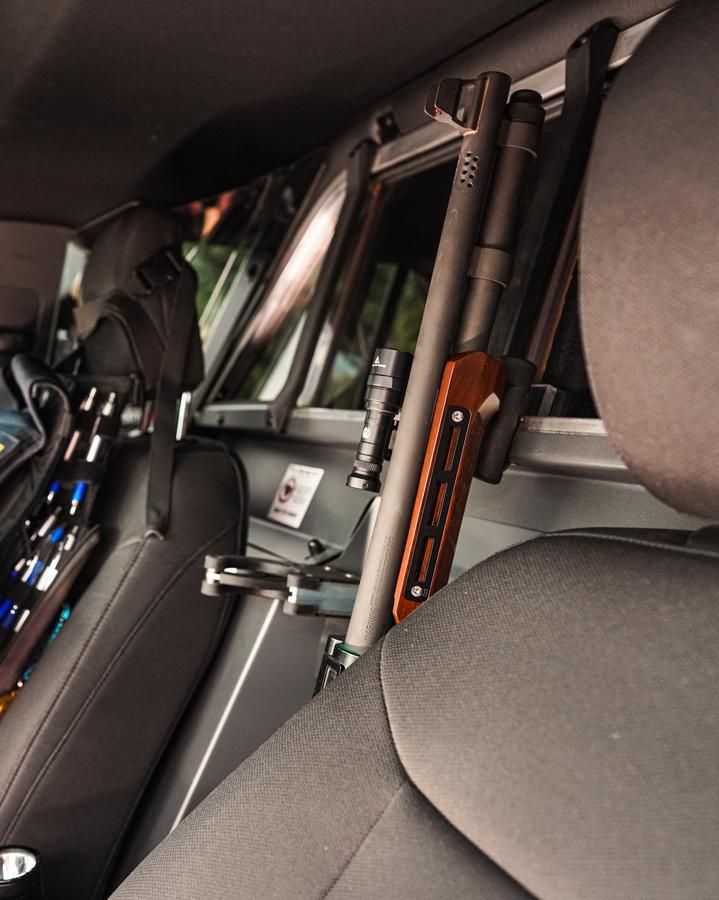

Keep Reading
The Hunter’s Field Kit: The Tools That Still Matter Beyond the Rifle
A practical look at the hunting tools that still earn their place in the field—from the rifle and stock to knives, axes, sharpening gear, maintenance, and camp essentials
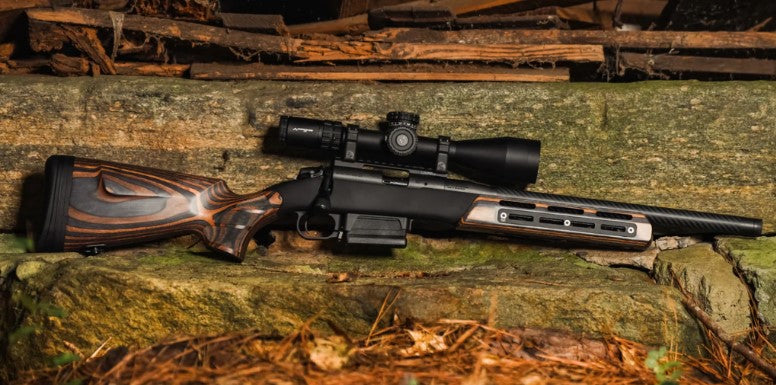
Why Hunters Still Choose Wood Rifle Stocks When Synthetic Is Easier
Synthetic rifle stocks are easier to maintain. So why do hunters still choose walnut? A practical look at wood, field use, weight, craftsmanship, repairability, and long-term ownership.
Why Some Hunting Gear Gets Better With Age
Some hunting gear becomes more useful after years in the field. See how familiarity, walnut, steel, maintenance, fit, and a simpler setup shape equipment over time.
The Rifle You Hand Down: What Makes Hunting Gear Worth Keeping?
What makes a hunting rifle worth keeping for decades? A practical look at walnut, fit, craftsmanship, maintenance, field use, and gear built to be handed down.